





How to compare power ratings and surge capacity of inverters?
- Understanding Off-Grid Inverters and How to Compare Power Ratings and Surge Capacity
- 1. What is an Off-Grid Inverter?
- 2. How Do Off-Grid Inverters Work?
- 3. What Are Continuous and Surge Power Ratings?
- 4. How Do I Compare Power Ratings and Surge Capacity?
- 5. What Are the Advantages of Choosing a High-Quality Inverter?
- 6. How Do I Properly Size an Inverter for My Needs?
- 7. What Are the Key Features to Look for in an Off-Grid Inverter?
- 8. How Do I Properly Maintain My Off-Grid Inverter?
Understanding Off-Grid Inverters and How to Compare Power Ratings and Surge Capacity
When considering the purchase of a power inverter, it's essential to understand the differences between on-grid and off-grid inverters, as well as how to compare their power ratings and surge capacities. This knowledge ensures that you select an inverter that meets your specific energy needs and operates efficiently.
1. What is an Off-Grid Inverter?
An off-grid inverter is a device that converts direct current (DC) from batteries or renewable energy sources into alternating current (AC) suitable for household appliances. Unlike on-grid inverters, off-grid inverters operate independently of the electrical grid, making them ideal for remote locations or areas with unreliable grid access. They also manage the charging of batteries from solar panels or backup generators, ensuring a continuous power supply.
2. How Do Off-Grid Inverters Work?
Off-grid inverters perform several key functions:
- DC to AC Conversion: They convert DC power from batteries or renewable sources into AC power, typically at 220V, suitable for most household appliances.
- Power Management: They regulate the flow of power between batteries and electrical loads, ensuring a stable and reliable power supply.
- Charging Capability: Many off-grid inverters include features like solar charge controllers and automatic generator starters to manage battery charging from various sources.
3. What Are Continuous and Surge Power Ratings?
Inverters are rated based on two primary power capacities:
- Continuous Power: The amount of power the inverter can supply continuously without overheating or shutting down. For example, a 1500W inverter can consistently provide up to 1500 watts of power.
- Surge Power: The temporary peak power the inverter can handle to accommodate the startup of appliances with motors, such as refrigerators or air conditioners. Surge power is typically 1.5 to 3 times higher than continuous power, depending on the load.
4. How Do I Compare Power Ratings and Surge Capacity?
To effectively compare inverters, consider the following steps:
- List Your Appliances: Identify all devices you intend to power and note their rated wattages.
- Calculate Total Continuous Load: Add up the rated wattages of all devices that will operate simultaneously to determine the total continuous power requirement.
- Account for Surge Power: Determine the surge factor for each appliance, especially those with motors, and calculate the total surge power needed. A common rule of thumb is to double the continuous power for most loads, but for motorized appliances, the surge factor can be higher.
- Include a Safety Margin: Add a buffer of 20-30% to the total power requirement to accommodate future expansions and ensure reliable operation.
- Match Inverter Specifications: Choose an inverter with a continuous power rating equal to or greater than your total continuous load and a surge power rating that meets or exceeds your calculated surge power requirement.
5. What Are the Advantages of Choosing a High-Quality Inverter?
Investing in a high-quality inverter offers several benefits:
- Reliability: Quality inverters provide consistent performance and have longer lifespans.
- Efficiency: They operate more efficiently, reducing energy losses and improving overall system performance.
- Advanced Features: High-quality inverters often come with features like smart overload protection, temperature monitoring, and real-time power displays.
6. How Do I Properly Size an Inverter for My Needs?
Proper sizing involves:
- Assessing Total Power Requirements: Calculate the combined continuous and surge power needs of all appliances.
- Considering System Efficiency: Account for the inverter's efficiency, typically between 70% and 80%, to ensure adequate power supply.
- Including a Safety Margin: Add a buffer of 20-25% to the total power requirement to accommodate future expansions and ensure reliable operation.
7. What Are the Key Features to Look for in an Off-Grid Inverter?
When selecting an off-grid inverter, consider:
- Power Ratings: Ensure the inverter's continuous and surge power ratings meet your requirements.
- Efficiency: Higher efficiency reduces energy losses and operating costs.
- Battery Charging Capabilities: Look for inverters with integrated charge controllers for seamless battery management.
- Safety Features: Features like overload protection, temperature monitoring, and short-circuit protection enhance system safety.
- Warranty and Support: Consider the manufacturer's warranty and customer support services for peace of mind.
8. How Do I Properly Maintain My Off-Grid Inverter?
Proper maintenance includes:
- Regular Inspections: Check for signs of wear, damage, or overheating.
- Cleaning: Keep the inverter and surrounding area clean to prevent dust buildup.
- Firmware Updates: Ensure the inverter's firmware is up to date for optimal performance.
- Professional Servicing: Have the inverter serviced by qualified technicians as recommended by the manufacturer.
By understanding these aspects, you can make an informed decision when selecting an off-grid inverter that aligns with your energy needs and ensures reliable operation.
Congsin's Advantages:
- Comprehensive Product Range: Congsin offers a wide selection of high-quality off-grid inverters suitable for various applications.
- Advanced Features: Their inverters come equipped with smart overload protection, temperature monitoring, and real-time power displays.
- Reliability and Efficiency: Congsin's products are known for their consistent performance and high efficiency, reducing energy losses and operating costs.
- Excellent Customer Support: They provide comprehensive customer support and warranty services, ensuring peace of mind for users.
Choosing Congsin ensures you receive a reliable, efficient, and well-supported off-grid inverter tailored to your energy needs.


Modified Sine Wave Inverters
Does it have protection features?
Yes, it includes overload, overheat, and short-circuit protection.
Do you support OEM branding?
Yes, we offer logo, packaging, and label customization.
Is it compatible with both 12V and 24V vehicles?
Yes, it supports DC12V/24V dual input.
Pure Sine Wave Inverters
Can it run inductive loads like fridges or tools?
Yes, pure sine wave output supports all load types.
Does it include protection features?
Yes, it has sixfold safety protection for reliable performance.
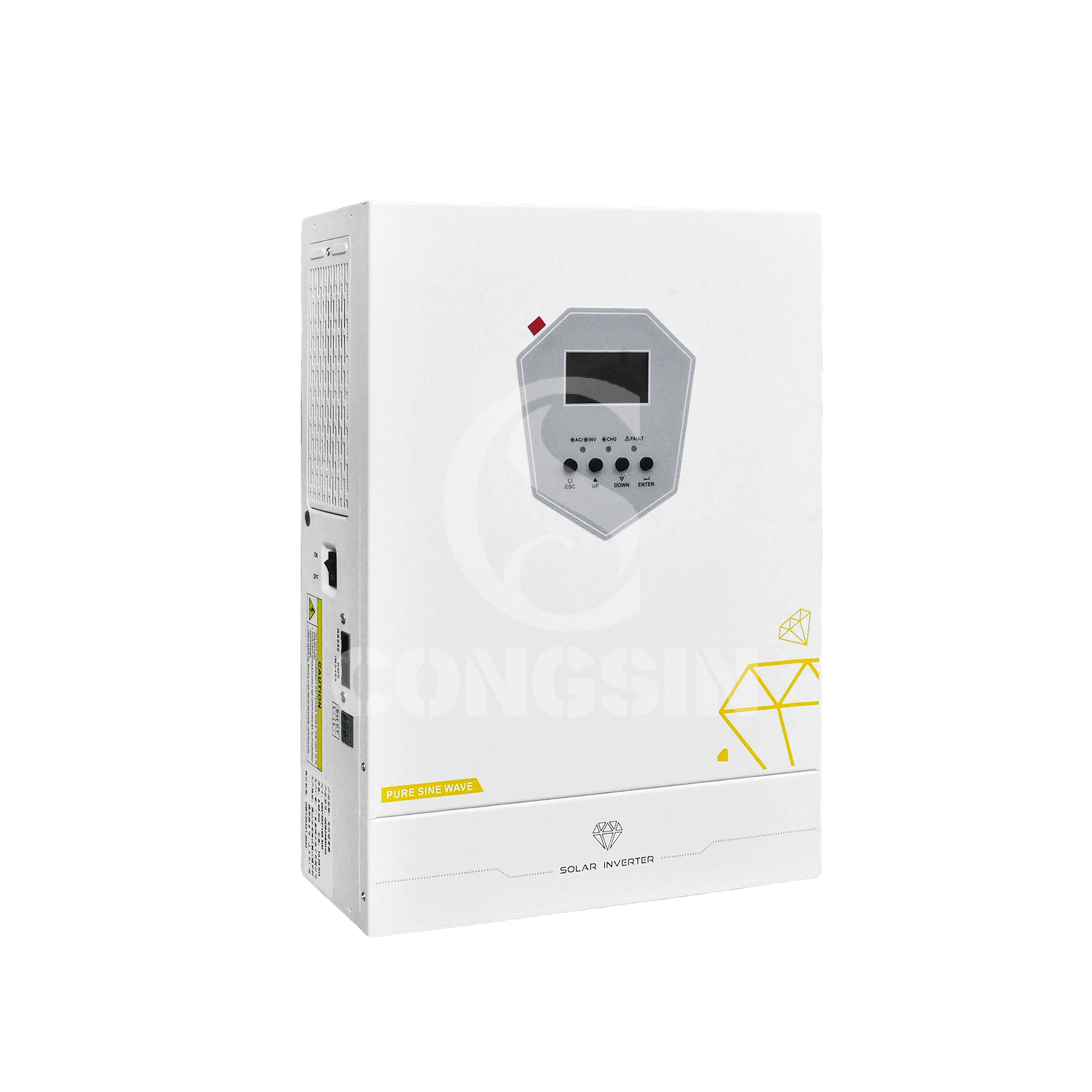
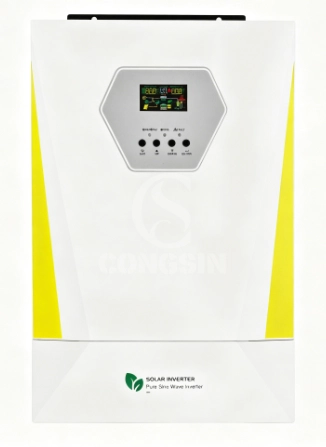
Power your solar system efficiently with the Congsin 4000W and 6000W Hybrid Inverter. Featuring an integrated MPPT Controller, this CE Certified inverter ensures optimal energy conversion. Monitor performance effortlessly via the intuitive LCD Display. Reliable, powerful, and ready for your sustainable energy needs.
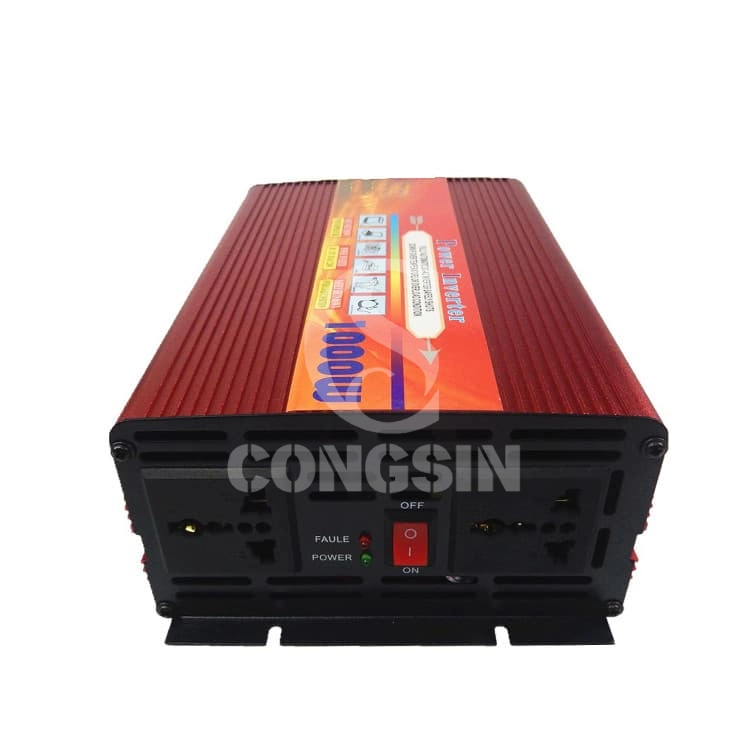
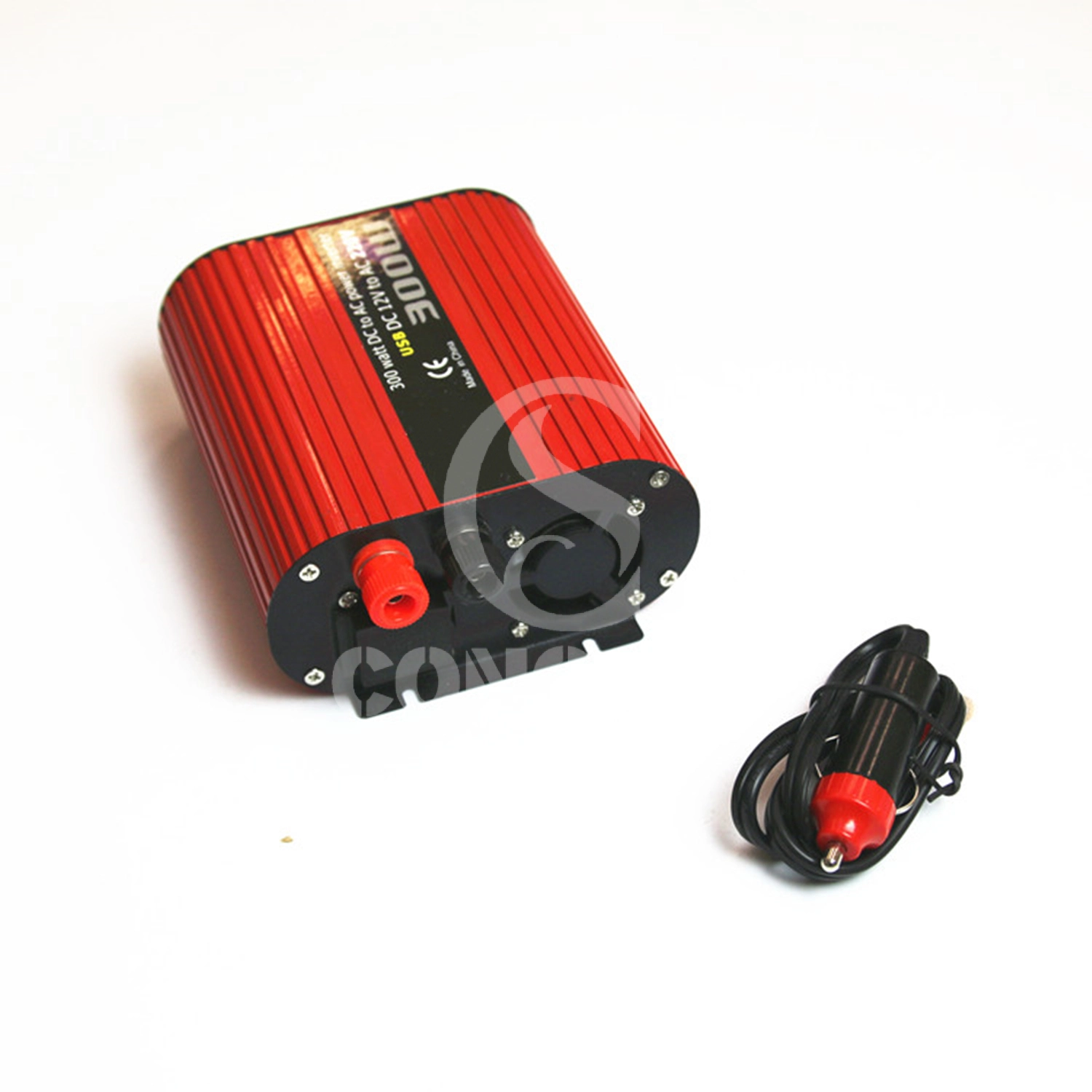
Congsin's Portable 150W Modified Sine Wave Inverter powers your journey! This versatile Car Power Inverter with USB acts as a reliable 12V to 220V converter, ensuring an essential off-grid power supply. With dual USB ports and a universal socket, enjoy convenient power on the go.
Get in Touch with Our Team
You can also communicate with us directly through our online contact form. Please fill in the following information, and our team will contact you as soon as possible after receiving your message.

CONGSIN is a trusted OEM factory for power inverters, solar charge controllers, and DC converters. Reliable solutions for global B2B buyers.
 High Quality
 7/24 Service
 Guaranteed Warranty
© 2025 Congsin. All Rights Reserved.
 WeChat
 Scan QR Code
sin cong
teaimei10
Whatsapp: +8618028086791
Scan QR Code